Pages

.

Showing posts with label Supplements. Show all posts

How Much Calcium Should I Take?

Ninety-nine percent of calcium in the body (and that is 3 pounds of the stuff!) is in our bones. And since bone is in a constant state of being torn down and then being built back (remodeling), let's just say it goes without saying that we NEED adequate calcium for good health. Calcium is important not just for our bones but also for a whole host of other essential functions. Without calcium there would be no nerve transmission, muscle contraction, cell signaling, blood clotting, constriction and relaxation of blood vessels, or secretion of hormones. (1) Studies have consistently found that higher calcium intakes reduce the risk of hypertension, obesity, and type 2 diabetes. (2,3,4). In a 2015 study from the National Osteoporosis Foundation, Weaver, et al. found a "significant decrease in fractures with calcium and vitamin D supplements." (5)

OsteoSustain: three tablets provide 500 mg calcium

The Recommended Dietary Allowance (RDA) for calcium as endorsed by the Institute of Medicine (IOM) is 1,000 to 1,200 mg daily for adults and not to exceed 2,000 mg. (6) People should strive to meet these calcium levels using food sources to the greatest extent possible. A healthful, well-balanced diet should include dairy (especially yogurt and kefir...preferably goat), dark leafy greens, and other calcium sources like sardines, almonds and beans.

Unfortunately, some people are sensitive or allergic to dairy. In addition, although many physicians recommend dairy as a calcium source, high dairy intake may come with other undesirable effects. Besides grave concerns over the dairy industries use of rBGH (growth hormones), milk is acidifying to the body (and not necessarily good for bones as the dairy industry would like you to believe) and casein, the major protein found in milk, has neoplastic (cancer) potential. Also, D-galactose (from the lactose sugar in milk) has been shown to increase inflammation, contribute to neuro-degeneration and reduced immune function. To this point, Michaelsson, et al. observed a link between high milk intake (3 or more glasses per day) and higher rate of both mortality and fracture in women, and a higher rate of mortality in men. "There were positive associations between milk intake and concentrations of markers for oxidative stress and inflammation." The authors concluded, "A higher consumption of milk in women and men is not accompanied by a lower risk of fracture and instead may be associated with a higher rate of death." (7)

We recommend 500 to 800 mg/day of supplemental calcium depending upon your diet. If you have severe bone loss and are sensitive to dairy then a slightly higher dose per day may be indicated.


1) Linus Pauling Institute. Calcium dietary supplemental fact sheet. National Institutes of Health Office of Dietary Supplements website: http://ods.od.nih.gov/factsheets/Calcium-HealthProfessional/. Updated November 21, 2013.


2) Alender, P.S., et al. 1996. Dietary calcium and blood pressure: a meta-analysis of randomized clinical trials. Ann Intern Med 124:825-31.


3) Bucher, H.C., et al. 1996. Effects of dietary calcium supplementation on blood pressure. A meta-analysis of randomized controlled trials. JAMA 275:1016-22.


4) Villegas, R., et al. 2009. Dietary calcium and magnesium intakes and the risk of type 2 diabetes: the Shanghai Women's Health Study. Am J Clin Nutr 89:1059-67.


5)Weaver, C.M., et al. 2016. Calcium plus vitamin D supplementation and risk of fractures: an updated meta-analysis from the National Osteoporosis Foundation. Osteoporo Int 27:367-376. 

6) Institute of Medicine. 2011. Dietary Reference Intakes for Calcium and Vitamin D. Washington, DC: The National Academies Press.

7) Michaelsson, K., et al. 2014. Milk intake and risk of mortality and fractures in women and men: cohort studies. BMJ 349:g6015. 


reade more... Résuméabuiyad

Supplemental Calcium for the Prevention and Treatment of Osteoporosis: New Guidelines by the EMAS


Eye opening stats:
-  Approximately 50% of women and 20% of men will become osteoporotic and suffer some type of fracture within their lifetime.
-  Spine and hip fractures can be debilitating, life changing events leading to long term pain and rehabilitation.
-  Twenty-eight percent of women and thirty-seven percent of men who sustain a hip fracture die within a year.

What can be done?:
These abysmal numbers DON'T have to be that way! Osteoporosis, for the most part, IS preventable. We do NOT have to see such large numbers of fracture rates if we could increase awareness and focus on prevention. Leading a healthy lifestyle is extremely important for reducing osteoporosis risk. This includes good nutrition, maintaining regular physical activity, and not engaging in destructive alcohol, tobacco and/or drug use. Along with eating a healthy diet high in fruits and vegetables and adequate protein, sufficient calcium intake is extremely important for bone health.

But what if a person already has osteoporosis and they are 60, 70 or 80 years old? Is there no hope for them? Is prevention the only thing we can do? NO! In fact I just spoke with an very nice 78-year-old woman tonight who has sustained multiple fractures of her spine and a hip fracture. She was distraught that there might not be anything that could be done for her...that she would simply have to live in fear of more fractures and continued pain. I have been working with patients with osteoporosis for almost 20 years now and have seen other patients with similar scores and in similar situations. And I know for a fact that there IS a lot that can be done to help. That there IS hope and PLENTY of it. But we can't be passive. We need to attack situations like hers from ALL directions. But improvement CAN be had...slow and steady, like putting
At 17,500 feet on Mt K. "Just Keep Going"...and you will get there.
one foot in front of the other. But it will happen. We just need to get up EVERY day and do things to improve. Slowly, slowly...just keep grinding away...but yes, improvement will come. Not to get too off track here but I think this is why I so love challenges like competing in Ironman triathlons or running up Mt. Washington, or Mt. Kilimanjaro. These goals are long and arduous, and rewards come from "just keeping on going".

There are lots of pieces to the complex puzzle of osteoporosis. Mineral intake is just one of those pieces. I must admit that I rarely write about supplemental calcium but a newly released clinical guide for the prevention of postmenopausal osteoporosis by the European Menopause and Andropause Society (EMAS) prompted this blog.

We all know that calcium IS necessary for strong bones but recent epidemiological studies linking excess calcium intake with "possible" cardiovascular risk has confused the waters. Many patients and doctors alike are questioning if supplemental calcium is safe and indeed if it is necessary at all. In response to these questions, the EMAS released new, updated guidelines. The following is a summary of the publication's most important points:


-  Insufficient calcium intake
   increases fracture risk AND an
   adequate daily intake is
   important for preventing 
   osteoporosis.

-  An intake of 700 to 1200 mg of
    calcium every day is important.

-  When possible, dietary calcium
    should be the preferred choice
    over supplemental calcium.

-  If dietary calcium intake is
    insufficient, supplemental
     intake is recommended.

-  Data from the National Health and
    Nutrition Examination Survey
    (NHANES) database shows that
     less than one-third of women 
    consumes enough calcium from
    their diet.

-  Excess intake of calcium does not
    help to reduce fracture risk.

-  There is no conclusive evidence
    that excess calcium intake causes
    harm.  [It is our opinion at OsteoNaturals that large doses of calcium (over 500 mg)
    should not be taken at one sitting, and that total daily supplemental intake be limited
    to 600 to 1,000 mg over the course of the day (depending on how much calcium is
    obtained from the diet).]

There is no doubt, CALCIUM is VERY IMPORTANT for skeletal health and not just for the prevention of osteoporosis but also for its treatment. The problem with relying on dietary calcium is that absorption of calcium from food does not exceed 35%. For this reason alone, calcium supplementation is a good idea. Adequate calcium intake is important, not just when we reach age 50, and not just when we have been diagnosed with osteopenia or osteoporosis...but when we are young and healthy! It is difficult to obtain sufficient calcium from diet alone, so no matter how you cut it, calcium supplementation is the best way to ensure sufficient intake.

Many patients do not adhere to calcium recommendations by their doctors because supplements are often poorly tolerated. Inexpensive drugstore-brand calcium products are especially difficult to absorb. Constipation, abdominal cramping and bloating are common side effects of calcium supplements. The reason for this is that most of these products contain cheap calcium sources such as calcium carbonate, dolomite, and/or oyster shell calcium. Not only are these forms of calcium not well tolerated but their absorption is low.

Take home message...check labels before purchasing calcium supplements...eat calcium-rich foods...and take quality supplemental calcium. Your bones will be healthier and stronger for it.


Cano, A., et al. Calcium in the prevention of postmenopausal osteoporosis: EMAS clinical guide. Maturitas https://doi.org/j.maturitas.2017.10.004.


reade more... Résuméabuiyad

N-acetyl cysteine (NAC) is powerful therapy for osteoporosis

N- acetyl cysteine (NAC) is an amino acid with powerful antioxidant activity. Like other antioxidants, NAC can help prevent inflammation and cell damage from free radicals but its healing powers do not stop there. NAC has been shown to be especially helpful at combating bone loss. Studies by Ji, et al (2011) and Yamada, et al (2013) both showed that NAC reduces bone loss from excessive osteoclastic activity, increases bone formation, and lowers fat infiltration into bone marrow which can crowd out bone forming osteoblast cells. By neutralizing free radicals and pro-inflammatory cytokines, NAC can be important therapy for combating osteoporosis. Using rat cell cultures, Yamada showed that NAC can help regenerate bone and concluded that "NAC can function as an osteogenesis-enhancing molecule to accelerate bone regeneration by activating differentiation of osteogenic lineages." Ji concluded that "NAC is a promising potential drug for the prevention
and treatment of osteoporosis...".

OsteoNaturals' OsteoStim is a unique and potent blend of antioxidants, vitamins, milk basic protein and medicinal herbs designed to aid in the reduction of chronic inflammation, encourage normal bone metabolism, and manage the adverse metabolic processes of osteoporosis. It contains a therapeutic dose of 600 mg N-acetyl cysteine.  Three caplets provide:
  • Vitamin D3 (1,000 IU): For improved absorption of calcium. Associated with higher bone mineral density and lower fracture risk. Promotes muscle strength and decreased risk for falls. 
  • Vitamin K2 (MK4 (700 mcg) and MK7 (50 mcg)): Activates osteocalcin, a protein important for bone formation. 
  • Biotin (3,000 mcg): Necessary for cell growth. 
  • Alpha-Lipoic Acid (200 mg): Powerful antioxidant to help reduce the proinflammatory 
  • cytokines that stimulate osteoclastic bone resorption and excessive bone loss. 
  • N-Acetyl Cysteine (NAC) (600 mg): This powerful antioxidant lowers free radicals, major contributors to excessive bone loss. 
  • Taurine (200 mg): Important co-factor for balanced bone remodeling activity. 
  • Berberine (250 mg): Studies indicate this medicinal herb helps prevent bone loss and increase bone mineral density by promoting osteoblast (bone-building cells) formation. 
  • BioferrinⓇ 1000 (250 mg): A low-iron (apo-lactoferrin) natural, biologically active milk protein isolated from whey for reducing oxidative stress, decreasing inflammation, and promoting improved bone mineral density. 
  • MBP® (Milk Basic Protein) (40 mg): A component of milk whey shown to promote bone formation and inhibit bone resorption.* 
  • Milk Thistle (200 mg): Medicinal herb with powerful antioxidant activity to help limit the activity of bone-resorbing osteoclasts.
  • GMO and gluten free.

Yamada, M., et al. 2013. N-acetyl cysteine as an osteogenesis-enhancing molecule for bone regeneration. Biomaterials May 24 [Epub ahead of print].

Ji, H., et al. 2011. N-acetyl-L-cysteine enhances the osteogenic differentiation and inhibits the adipogenic differentiation through up regulation of Wnt 5a and down regulation of PPARG in bone marrow stromal cells. Biomed Pharmacother Aug:65(5):369-74.
 
reade more... Résuméabuiyad

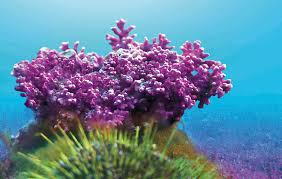
Calcium-rich, marine multi-mineral complex (Aquamin) is superior to calcium carbonate in its ability to slow bone loss

In a recently published study in Calcified Tissue International, Orlaith Brennan (Royal College of Surgeons, Ireland) and colleagues, compared the calcium-rich, marine multi-mineral complex, Aquamin to calcium carbonate in an ovariectomised rat model of osteoporosis. The purpose of the
study was to assess Aquamin's efficacy in preventing bone loss. Aquamin is a natural, multi-mineral supplement derived from the red algae Lithothamnion corallioides. Aquamin is rich in calcium, magnesium, and 72 other trace minerals.

This 20-week study compared Aquamin to calcium carbonate in their influence on the mineralization and metabolic activity of osteoblasts (the cells that form bone) in cell culture. Trabecular architecture, bone composition, and the mechanical strength properties were assessed. The study found that "oral ingestion of Aquamin results in less deterioration of trabecular bone structure, mineral composition and biomechanical properties in the tibia of rats following ovariectomy than calcium carbonate." In this animal model of osteoporosis, Aquamin was shown to be superior to calcium carbonate in its ability to slow down the onset of bone loss.

OsteoNaturals' OsteoMineralBoost supplies 250 mg Aquamin.

Brennan, O., et al. 2017. A natural, calcium-rich marine multi-mineral complex preserves bone structure, composition and strength in an ovariectomised rat model of osteoporosis. Calcif Tissue Int. DOI: 10.1007/s00223-017-0299-7.
reade more... Résuméabuiyad

OsteoMineralBoost: A Real "Boost" to Bone Health

OsteoMineralBoost was designed by Dr. McCormick to provide that extra kick to mineral intake and sustained bone health. Providing 140 mg calcium from microcrystaline hydroxyapatite (MCHA) and Aquamin, 85 mg magnesium, 250 mg of trace minerals from Aquamin, and 100 mg betaine hydrochloride, OsteoMineralBoost is one of the most important bone health products on the market.

Ingredients: 
     -  MCHA is a highly absorbable form of calcium with naturally occurring bio-active bone matrix
        proteins and growth factors.
     -  Magnesium (as dimagnesium malate) is important for bone and cardiovascular health.
     -  Aquamin won the 2016 Ingredient of the Year for Healthy Aging at the Vitafoods
        Nutraingredients Awards in Geneva, Switzerland. This award was given "in recognition of the
        strong body of scientific trail data that supports Aquamin and the positive contribution that it has
        made to health." Aquamin is a marine (red algae) multi-mineral complex with bio-active
        calcium, magnesium and 72 other trace minerals. There are over 20 published peer reviewed
        papers exploring the positive benefits of Aquamin in the areas of bone health, joint and
        inflammation and digestive health.
     -  Betaine hydrochloride to aid absorption.


reade more... Résuméabuiyad

The Similarities Between "Boosting" Athletic Performance and Osteoporosis Outcomes

I must admit, I was a bit lazy last year. After running a 50 mile trail race, I laid low for the rest of the year nursing a heel injury. But I'm healthy now and back training. As per usual, I've set a few goals for the summer...some triathlons and a few running races. There is something about setting goals that keeps me on track--not just in athletics, but in life. Goals are important; they sharpen your vision, give you focus and help steer you to success.

The goals I set for myself are typically lofty ones. Whether it is competing in an Ironman, running up Mt. Kilimanjaro, or improving my bone density naturally through diet and supplements, they usually aren't easy tasks...but that's what makes them interesting. Besides hard work, I am always in search of ways to "boost" my abilities to help reach those goals. Now I am not talking about performance enhancing drugs in athletics or taking osteoporosis medications to temporarily improve bone density at the risk of adverse effects and building poor quality bone. I'm talking about doing things naturally but effectively. I hope you can relate to some of these ideas and use them to boost your own goal outcomes.

Improving Athletic Performance
Improving your performance in athletics, no matter what sport or activity, starts with making sure your body is healthy enough to sustain training for months on end. If you break down a few weeks before a race, all that training goes out the window.

Common sense suggestions:

First, maintain a healthy gut by eating a good diet and taking supplements. Putting high-octane fuel in the tank...lots of good green veggies, quality protein and plenty of minerals and electrolytes...allows the body to rejuvenate after each workout. Second, exercise regularly and focus on quality workouts. Third, get plenty of sleep. It is during the night-time hours that the body repairs itself and you can do a lot of damage to your body in a hard training session. Finally, keep a positive attitude and be patient.

Boost Suggestions:
I have found a few extra little things besides those basics that enhance my performance just enough to put me on a slightly higher playing field...enough to get me from 2nd place to 1st place in a race. For running and competing in triathlons, that edge or boost to performance comes from three things:
1) The nutritional supplement creatine. Creatine is a naturally occurring substance in the body that helps recycle adenosine triphosphate (ATP) energy. But creatine levels decline as we age making it more difficult to effectively utilize ATP.* Not only does creatine help give us more zip DURING a workout but it helps with after-workout recovery.
2) Strength training. This might include the use of free weights, weight machines, elastic resistance bands, and/or simply resisting against your own weight. A well-executed strength-training program contributes to my feeling strong all over, increases total body mass, reduces the risk of sports injuries and improves core stability. **
3) Ensuring adequate electrolytes. For optimal nerve conduction and muscle contractions you need to have plenty of minerals and electrolytes. Nerves fire optimally and muscles respond best when the body is electrically alive and swimming in electrolytes.

Improving Osteoporosis Outcomes
My quest to improve bone health runs parallel to how I approach sports. I treat this goal as a huge challenge that arouses my competitive juices and makes me SO WANT TO SUCCEED. The key is to stay focused every day on the key factors that will keep bones strong and healthy.

Common sense suggestions:
First, maintain a healthy gut (probiotics, fiber, eliminate food allergens and sensitivities, digestive enzymes if needed), eat a good diet and take supplements. Second, engage in weight-bearing exercise regularly. Third, get adequate sleep. Finally, keep a positive attitude and have patience. Sound familiar?

Boost suggestions:
I have found that a boost to improved bone health comes from similar sources as those that I use to enhance my athletic performance:
1) The nutritional supplement creatine.
2) Strength training.
Muscles release myokines, chemical signaling molecules that tell bones to get stronger. This makes sense. Bones have to be strong enough to take the torque produced by muscles; so muscles and bones have to be in close communication with each other. The stronger your muscles, the stronger your bones will be; taking creatine and engaging in frequent strength training are two of the best boosts to this mechanism.
3) Ensure not just adequate minerals but minerals that can be EASILY deposited into bones AND be transformed EASILY into electrolytes.
(Electrolytes are minerals with an electric charge.) In addition to providing one of the best sources of calcium possible for bone building, OsteoMineralBoost*** contains bio-active calcium, magnesium, and 72 trace minerals (from Aquamin red marine algae). It is easily incorporated into bone tissue, helps preserve bone, and is a natural source of electrolytes...perfect for people who suffer from bone loss...and athletes alike. 

It is my hope that you will use some of these ideas in your daily regimen to kick-start or help "boost" your goal attainment. And, if you haven't set goals yet, what are you waiting for?! Whether you are an athlete or an individual who wants to improve health outcomes, the goal-setting process is needed to understand where you are currently, and where you want to go. The fact that you aren't where you want to be, should be enough motivation.

* We can obtain creatine from our diet but the best sources are fish and meat which are acidic and large quantities of these foods may not be the best way to ensure adequate creatine levels. Because creatine is only obtained through animal products, vegetarians have difficulty maintaining adequate creatine levels. For these reasons supplementing with creatine, especially if you have bone loss, is a good idea. For more info on creatine go to:  http://www.osteonaturals.com/2015/07/creatine-and-resistance-training.html
** Of course, when any exercise program is undertaken by sedentary individuals, they should first check with their physician. In addition to the cardiovascular concerns of starting an exercise program, caution, especially in the osteoporotic individual, should be taken to avoid undue load on the spine or hips. For example, bending forward or lifting weights overhead can put a heavy load on the spinal vertebrae and if bone density is extremely low, this can result in a compression fracture.
*** OsteoMineralBoost provides one of the best sources of calcium possible for bone building...micro-crystaline hydroxyapatite. MCHA has been shown in research studies to contain growth factors for improved bone building activity in people with osteoporosis. OsteoMineralBoost also contains Aquamin trace minerals from red marine algae. Aquamin won the Ingredient of the Year for Healthy Aging at the 2016 Nutraingredients Awards in Geneva, Switzerland.
reade more... Résuméabuiyad

Osteoporosis and Vascular Calcification

In a study published in Climacteric, C.E. Lampropoulos, et al. assessed the correlation between osteoporosis and vascular calcification in postmenopausal women. The goal was to determine not only if there was a correlation (there have been numerous studies linking these as comorbidities) but also to determine if low dose calcium supplementation plus vitamin D contributed to calcification of arteries.

The study concluded that "Calcified plaques were significantly correlated with osteoporosis."  Osteoporotic women were "16 times more likely" to develop calcification of the abdominal aorta and "seven times more likely" to develop plaques and thickening of blood vessels compared to normal individuals. It also concluded that "low doses of supplements do not appear to cause any increase in vascular calcification in osteoporotic women." In other words, although bone loss and calcification of arteries go hand in hand their connection is NOT due to taking calcium supplements. And this is key! We need calcium for our bones to be healthy.

Taking supplemental calcium is safe when used in moderation. Taking huge amounts of any supplement, including calcium, is never advisable. But a sensible intake of 600 to 1,000 mg/day of supplemental calcium (plus another 500 or so from the diet) is important for getting your 1,200 to 1,500 mg calcium/day as recommended by most bone-health experts. Making sure you get adequate vitamins D and K, and magnesium is also a vital part of the equation. You NEED these to ensure that the calcium you take in goes to the right places in your body: muscles, nerves and bone...and NOT settle into the blood vessels!
So what is it that makes women with bone loss be more susceptible to calcification and hardening of the arteries? The answer is INFLAMATION. We at OsteoNaturals know that simply taking in adequate calcium is NOT the total answer to improving bone health. The MOST important thing you can do for better bone health is to reduce inflammation-driven, excessive osteoclastic bone resorption. Inflammation, not a lack of calcium, is usually what fuels excessive bone loss. And that is where OsteoStim comes to the rescue. OsteoNaturals'OsteoStim has ingredients designed to do exactly that: modulate the activity between the osteoclasts and the osteoblasts so that the bone remodeling process comes more into balance. A balanced bone remodeling system is important for the skeleton to renew itself periodically...important for keeping it young, supple, and strong. AND, not only does OsteoStim have ingredients that promote balanced bone remodeling but it also has 200 mg of a very important antioxidant that, yes, you guessed it...helps prevent blood vessel calcification!

And as Lampropoulos, et al. showed in their research, since osteoporotic women are 16 times more likely to develop calcifications it is EXTREMELY important to address this head on! Alpha lipoic acid is THE perfect antioxidant that can help prevent this calcification. Studies such as the one by Ying, et al. demonstrate this beneficial effect. In this 2010  research, published in Life Sciences, Ying, et al. showed that lipoic acid "reduced atherosclerotic plaques in the abdominal aorta".

The combined effect of supplemental calcium, magnesium and other minerals from OsteoSustain and OsteoMineralBoost, plus improved bone remodeling and lowered atherosclerotic risk from our OsteoStim makes OsteoNaturals products your first choice for improved skeletal health.  

Lampropoulos, C.E., et al. 2016. Osteoporosis and vascular calcification in postmenopausal women: a cross-sectional study. Climacteric April 5:1-5.
reade more... Résuméabuiyad

A Handful of Broccoli Sprouts A Day / Keeps Bone Imbalance (and Bisphosphonates) Away

Bone remodeling in an adult is the biological mechanism where old bone is removed by osteoclasts and new bone is formed by osteoblasts at an equal rate. In other words, these cells function "in sync" with each other. The result, when all is healthy, is a continual renewal of bone without any substantial overall loss in bone density as a person ages. But if the osteoblasts are unable to effectively produce new bone, and/or the osteoclasts are overly aggressive and resorb too much old bone, then they are "out of sync" and there becomes a deficit. When this deficit continues for years, bone density declines and will eventually lead to osteoporosis. A number of factors can increase or decrease the likelihood of imbalance in the bone remodeling process. In this blog I would like to review four important factors.
1) An "out of sync" situation occurs with Bisphosphonates*, the drugs commonly used to COMBAT osteoporosis. These medications are so powerful that they not only poison the osteoclast cells but they also dramatically interfere with the ability of osteoblasts to form bone. The result is that the skeleton becomes more brittle, "older", and more prone to breaking. Continued use of these drugs also puts a person at risk of serious adverse effects such as atypical femur fractures, non-union fractures, and osteonecrosis of the jaw.
2) An “in sync” situation occurs with the consumption of fruits and vegetables. Eating 5 to 8 helpings of fruits and vegetables each day not only helps reduce excessive bone resorption but it is important for boosting osteoblastic activity. Fruits and vegetables help alkalinize the body which promotes bone formation and they also provide polyphenols (most noted for their anti-cancer properties). These powerful phytochemicals are antioxidants that provide great protection against bone loss. The flavonoid kaempferol, found in high amounts in onions, and another flavonoid quercetin, found in dried plums, both have beneficial effects on bone and have been used in the treatment of osteoporosis.
3) Another ‘In sync’ situation involves epigenetics – external modifications to DNA that turn genes “on” or “off”.  The DNA sequence is not changed, but the modifications affect how cells “read” the genes and subsequently how they produce proteins. When bone cells interact to build and maintain bone, these processes are orchestrated by regulators of gene expression. A person may have genes for strong bones but the regulators of how those genes manifest are, for some reason or other, not turned on or off correctly and the bone strength is not realized. It is the epigenetics, or how genes are expressed, that becomes important with nutrition. Good nutrition allows a person's genetic make up to be expressed fully...to its full potential. But poor nutrition may lead to an under-expression of a person's genetic expression. And such is the case with bone health.
One particular phytochemical that can orchestrate gene expression and provide benefits for treating
Broccoli Sprouts
osteoporosis is
sulforaphane – a naturally occurring isothiocyanate. In the Journal of Biological Chemistry, Thaler et al. reports that sulforaphane, found in high concentrations in cruciferous vegetables such as broccoli (especially broccoli sprouts), cabbage and kale, had substantial positive effects on the epigenetics of bone remodeling. In Thaler's study on mice, he found that sulforaphane helps to increase bone volume and reduce bone loss caused by a loss of estrogen. Sulforaphane acts as an epigenetic bone anabolic (building) agent and has a "two-pronged effect on bone formation and homeostasis by acting differently on osteoblasts and osteoclasts." Sulforaphane turns on genes involved in matrix mineralization and enhanced expression of osteoblastic activity. It also significantly decreases the expression of the osteoclast activator RANKL in osteocytes. The effect is that sulforaphane inhibits the production and activation of osteoclasts.
4) One final “in sync” factor is the promotion of a BALANCED bone remodeling system by promoting a RE-BALANCING of the remodeling process. Bone should be ENCOURAGED to GENTLY gain density, to enhance restructure and improved bone quality, and to gain strength. It should not be forced into an unnatural accrual of density without improvement in bone quality. OsteoNaturals’ OsteoStim contains ingredients that help reduce (not stop) EXCESSIVE osteoclastic activity and others to stimulate osteoblasts to build bone. The overall effect is that OsteoStim helps BALANCE bone remodeling. It helps encourage better bone QUALITY, not by destroying osteoclasts but by curtailing their activity and NUDGING osteoblasts to build new strong healthy bone. This is the key to OsteoStim's success. As a nutritional supplement for bone loss, OsteoStim isn't your source for minerals (those are found in OsteoSustain and OsteoMineralBoost); its job is to tackle remodeling. Without a balanced bone remodeling system, taking all the best minerals in the world won't do much good. A balanced bone remodeling process is key to supplemental minerals being effective and successfully combating bone loss.
Other strategies that MUST be included in one's quest to regain skeletal health include: a consistent regimen of physical activity, a diet that includes 60 to 90 grams of quality protein on a daily basis, supplementing with creatine and/or DHEA (when advised by a health care provider), reducing chronic systemic inflammation, and curtailing catabolic (cell destroying) lifestyle activities (such as smoking and heavy alcohol use).
The takeaway: there are lifestyle changes that you can make that actually alter the expression of your genes and your bone health; consider medications carefully; promote bone quality with OsteoNaturals' OsteoStim and eat your fruits and vegetables! For a double punch to overcoming osteoporosis, add broccoli spouts to your daily diet. It may help your genes, through epigenetic mechanisms, to boost bone building activity and reduce bone destruction.
* alendronate (Fosamax), residronate (Actonel), ibandronate (Boniva) and zolodronic acid (Reclast)
Thaler, R., et al. Anabolic and anti-resorptive modulation of bone homeostasis by the epigenetic modulator sulforaphane, a naturally occurring isothiocyanate. J Biol Chem. Jan 12, 2016.
reade more... Résuméabuiyad

Lactoferrin: Promising Strategy for Better Bone and Joint Health - Combats Osteoporosis and Osteoarthritis

Over the last ten years, lactoferrin, a natural bioactive glycoprotein from milk, has stirred considerable interest in the field of bone health. (1,2,3,4,5,6,7,8,9,10,11,12,13,14,15,16) Lactoferrin limits inflammatory messenger molecules to reduce inflammation and reduce catabolic (tearing down) activity in the body. This includes a calming down of the destructive action of osteoclasts, the cells responsible for excessive bone resorption that leads to osteoporosis. This anti-catabolic effect not only helps people with osteoporosis but it also prevents the cartilage degradation seen in people who suffer from osteoarthritis. (17,18)

Lactoferrin, a multifunctional protein of the innate immune defense system.
Now, with solid evidence (19,20,21) that lactoferrin also enhances anabolic (bone building) activity in bones, it is currently one of the hottest and most promising neutraceutical on the market for combating osteoporosis. Lactoferrin's anabolic (building) effect on bone stems from its ability to reduce inflammation and osteoclastic activity, and also by improving osteoblast cell activity for enhanced bone formation.

Lactoferrin is one of those few molecules that is known to effect both the osteoclasts and the osteoblasts in the remodeling activity of bone...AND it is NOW in OsteoStim. OsteoStim already includes a stellar list of natural vitamins, herbs, and bioactive ingredients shown to help balance bone remodeling through a reduction in osteoclastic activity and a boost in osteoblastic bone-building action. This OsteoNaturals product has just gotten better.

  1. Blais, A., Malet, A., Mikogami, T., et al. Oral bovine lactoferrin improves bone status of ovariectomized mice. Am J Physiol Endocrinol Metab 2009:296(6):E1281-8.
  2. Bharadwaj, S., Naidu, A.G., Betageri, G.V., et al. Milk ribonuclease-eriched lactoferrin induces positive effects on bone turnover markers in postmenopausal women. Osteoporos Int 2009; Sept 20(9):1603-11.
  3. Guo HY, Jiang L, Ibrahim SA, et al. Orally administered lactoferrin preserves bone mass and microarchitecture in ovariectomized rats J Nutr. 2009;139(5):958–6.
  4. Cornish J, Callon KE, Naot D, et al. Lactoferrin is a potent regulator of bone cell activity and increases bone formation in vivo. Endocrinology. 2004;145(9):4366–74.
  5. Lorget F, Clough J,Oliveira M, Daury MC, Sabokbar A,Offord E. Lactoferrin reduces invitro osteoclast differentiation and resorbing activity. Biochem Biophys Res Commun. 2002;296(2):261–6. 
  6. Takayama Y, Mizumachi K. Effect of bovine lactoferrin on extracellular matrix calcification by human osteoblast‐like cells. Biosci Biotechnol Biochem. 2008;72(1):226–30. 
  7. Takayama Y, Mizumachi K. Effect of lactoferrin‐embedded collagen membrane on osteogenic differentiation of human osteoblast‐like cells. J Biosci Bioeng. 2009;107(2):191–5. 
  8. Yagi M, Suzuki N, Takayama T, et al. Effects of lactoferrin on the differentiation of pluripotent mesenchymal cells. Cell Biol Int. 2009;33(3):283–9. 
  9. Grey A, Banovic T, Zhu Q, et al. The low‐density lipoprotein receptor‐ related protein1is a mitogenic receptor for lactoferrin in osteoblastic cells. Mol Endocrinol. 2004;18(9):2268–78. 
  10. Grey A, Zhu Q, Watson M, Callon K, Cornish J. Lactoferrin potently inhibits osteoblast apoptosis,viaanLRP1‐independent pathway. Mol Cell Endocrinol. 2006;251(1–2):96–102. 
  11. Grey A, Zhu Q, Watson M, Callon K, Cornish J. Lactoferrin potently inhibitsosteoblastapoptosis,viaanLRP1‐independent pathway. Mol Cell Endocrinol. 2006;251(1–2):96–102. 
  12. Naot D, Chhana A, Matthews BG, et al. Molecular mechanisms involved in hemitogenic effect of lactoferrin in osteoblasts. Bone. 2011;49(2):217–24.  
  13. Hou, J.M., Chen, E.Yl, Wei, S.C., et al. Lactoferrin inhibits apoptosis through insulin-like growth factor 1 in primary rat osteoblasts. Acta Pharmacol Sin 2014;35(4):523-30. 
  14. Onubushi, T., Kawazoe, A., Miyauchi, M., et al. Molecular mechanisms of the inhibitory effects of bovine lactoferrin on lipopolysaccharide-mediated osteoclastogenesis. J Biol Chem 2012;287(28):23527-36.
  15. Ying, X., Cheng, S., Wang, W., et al. Effect of lactoferrin on osteogenic differentiation of human adipose stem cells. Int Orthop 2012;36(3):647-53.
  16. Montesi, M., Panseri, S., Iafisco, M., et al. Coupling hydroxyapatite nanocrystals with lactoferrin as a promising strategy to fine regulate bone homeostasis. PloS One 2015;10(7);e0132633
  17. Ahmadinia, K., Yan, D., Ellman, M., Im, H.J. The anti-catabolic role of bovine lactoferricin in cartilage. Biomol Concepts 2013;4(5):495-500.
  18. Kim, J.S., Ellman, EB,. An, HS., et al. Lactoferricin mediates anabolic and anti-catabolic effects in the intervertebral disc. J Cell Physiol 2012;227(4):1512-20.
  19. Amini AA, Nair LS. Lactoferrin: a biologically active molecule for bone regeneration. Curr Med Chem. 2011;18(8):1220–9. 
  20. Li, W., Zhu, S., and Hu. J., Bone regeneration is promoted by orally administered bovine lactoferrin in a rabbit tibial distraction osteogenesis model. Clin Orthop Relat Res 2015; 473(7):2383-93. 
  21. Zhang, W., Guo, H., Jing, H., et al. Lactoferrin stimulates osteoblast differentiation through PKA and p38 pathways independent of lactoferrin’s receptor LRP1. J Bone Miner Res 2014;29(5):1232-43.
reade more... Résuméabuiyad

OsteoStim is Available

Our new shipment of OsteoStim has finally arrived. For four years now, OsteoStim has been

instrumental in helping many people turn around their declining bone mineral density and regain confidence in the strength of their skeleton. Once again they can wake up with the peace of mind that their bones will get them through the day without breaking. And now...OsteoStim is not only back in stock, but it is better than ever. Here is what we did to improve OsteoStim:
OsteoStim update: 
  • We have enhanced the formula with the addition of Bioferrin® 1000 (a product of Glanbia Nutritionals), a low-iron form of lactoferrin called apolactoferrin.
    Clinical research demonstrates lactoferrin, a purified bioactive glycoprotein found naturally in milk, is anabolic to bone. Lactoferrin has been shown to reduce inflammation, stimulate the immune system, improve gut health, and best of all strengthen bones. Lactoferrin stimulates the production of osteoblasts to enhance bone formation while inhibiting osteoclasts (cells that destroy bone). The addition of lactoferrin to our OsteoStim makes this product by far the product of choice when searching for bone-health supplements.
  • OsteoStim is GMO free!

We are confident you will find these changes make our OsteoStim even better! As always, the mission of OsteoNaturals is to provide the best nutrition products possible for skeletal health.  

reade more... Résuméabuiyad

OsteoStim: Now has Apolactoferrin

On March 8th you will finally be able to place your order for OsteoStim. It has been a long arduous
process, but getting things right sometimes takes time...and this certainly took more time than expected. From procuring ingredients, to manufacturing, and even to printing labels, we seemed to run into production delays all the way. But production is finally complete and we are just waiting for labels to be affixed to the bottles and shipped. We couldn't be more excited about the final product.

As many of you know from previous Newsletters, OsteoStim will now contain another ingredient. In an ongoing effort to bring you the most effective nutrition product available for improving skeletal health, we have added a low-iron form of lactoferrin to OsteoStim.

Lactoferrin is a naturally occurring glycoprotein found in milk. It is an important part of the immune system and helps the body's innate immune defense fight against harmful bacteria, viruses, and fungi. In addition to its antimicrobial activity, lactoferrin also helps normalize bone remodeling activity as seen in the reduction of bone resorption markers (N-telopeptide and deoxypyridinoline) and increase in bone formation markers (osteocalcin and alkaline phosphatase). (1) 

With its normalizing impact on the immune system, lactoferrin reduces chronic systemic inflammation (2) which is common in people suffering from osteoporosis. This type of inflammation is often the cause of excessive osteoclastic bone resorption and bone loss. Lactoferrin not only reduces osteoclastic activity but it is one of the few compounds that can also stimulate osteoblast cells for improved bone formation. (3) The reason we see so much periodontal disease, small bowel bacterial overgrowth, candida infections, joint inflammation, muscle pain, elevated blood sugar, depression, and fatigue in patients with osteoporosis is because these are all signs and symptoms of chronic systemic inflammation. But if we reduce the chronic inflammation (and lactoferrin does a great job at this) we also REDUCE EXCESS OSTEOCLASTIC BONE RESORPTION and improve bone, and overall, health.

But...there is one drawback to lactoferrin, especially in postmenopausal women. Lactoferrin increases iron levels in the body. With no more blood loss from monthly periods, postmenopausal women should not be taking in excess iron. For this reason, we are using a special form of lactoferrin called Bioferrin 1000 (Bioferrin is a registered trademark of Glanbia Nutritionals). Bioferrin 1000 is a low-iron form of lactoferrin called apolactoferrin. In fact, for each 100 grams of Bioferrin 1000 there is less than 15 milligrams iron. In three capsules of OsteoStim there is a therapeutic dose of 250 milligrams apolactoferrin which makes this dosage virtually iron free.

We are very proud to be able to provide you with this product.


1) Bharadwaj, S., et al. 2009. Milk ribonuclease-enriched lactoferrin induces positive effects on bone turnover markers in postmenopausal women. Osteoporosis Int 20(9):1603-11.

2) Bharadwaj, S., et al. 2010. Inflammatory responses improve with milk ribonuclease-enriched lactoferrin supplementation in postmenopausal women. Inflammatory Research 59(11):971-8.   

3) Naot, D., et al. 2005. Lactoferrin - A novel bone growth factor. Clinical Medicine & Research 3(2):93-101.
reade more... Résuméabuiyad

2017 Update: New OsteoNaturals Formulas

Good news: OsteoNaturals has been around for 5 years and we are growing daily. In fact, we have grown so rapidly in the past 6 months that production has not kept up with our order rate. Because of this, you may have noticed that OsteoSustain is currently on backorder (new shipment is due January 20th) and the OsteoStim supply is very low (new shipment is due February 1) – so low that we are asking our customers to only purchase one bottle at a time for now. We are sorry for the inconvenience and thank you for your patience. Please check our website www.osteonaturals.com for updates.

The other good news is that we are making these two products EVEN BETTER. We pay close attention to clinical research and continue honing our products to be sure you are getting the very best quality bone-health nutrition on the market.

OsteoSustain updates:
  • We have lowered the amount of calcium in each tablet slightly – from 175 mg to 166 mg. This will provide 500 mg of calcium daily when taking one tablet with each meal. It also provides leeway to be able to take two tablets at a time if necessary due to busy schedules. If more calcium is warranted due to diet or severity of bone loss, then either more OsteoSustain can be taken or one or two tablets of OsteoMineralBoost will boost daily calcium intake. For example, because I don't consume much dairy in my diet I take in 780 mg supplemental calcium each day. This is provided in three tablets of OsteoSustain plus two OsteoMineralBoost spread out over the day. This is extremely safe and causes no surges in blood calcium levels. (1)
  • Because we find that so many people are deficient in magnesium, we have added more to our formula. Now OsteoSustain sports a full 100 mg of highly absorbable magnesium in EACH tablet (300 mg for 3 tablets). That is a 5:3 calcium/magnesium ratio which is perfect to produce new bone.
  • We have added a bit more vitamin C (now 200 mg in 3 tablets) and more zinc (now 10 mg in 3 tablets).
  • We are now GMO Free!

OsteoStim update:
  • We have enhanced the formula with the addition of low-iron lactoferrin. Clinical research demonstrates lactoferrin, a purified bioactive glycoprotein found naturally in milk, is anabolic to bone. Lactoferrin has been shown to reduce inflammation, stimulate the immune system, improve gut health, and best of all strengthen bones. Lactoferrin stimulates the production of osteoblasts to enhance bone formation while inhibiting osteoclasts (cells that destroy bone). The addition of lactoferrin to our OsteoStim makes this product by far the product of choice when searching for bone-health supplements. And, it is GMO free!
  • We have eliminated the green tea extract and reduced the alpha lipoic acid from 300 mg to 200 mg (in 3 capsules).

We are confident you will find these changes make our OsteoSustain and OsteoStim products even better! As always, the mission of OsteoNaturals is to provide the best nutrition products possible for skeletal health.

(1) With recent concerns about blood calcium spikes when taking supplemental calcium, we have fielded several questions about the safety of calcium (see my other blogs on this subject). Calcium in the right dosage is safe. Spiking occurs when manufacturers make supplements that contain 400 or more mg of calcium in each tablet. Our OsteoSustain NEVER came close to this excessive dose.
reade more... Résuméabuiyad

Calcium Supplementation IS Vital for Individuals with Osteoporosis

Over the years there have been numerous studies about the benefits and risks of calcium - much of it inconsistent - and this has led to a lot of confusion and frustration. It all began in 2008 when Mark Bolland and Ian Reid (1) from New Zealand studied 336 healthy, older women (mean age 74) and concluded there may be a slight increase in cardiovascular events when taking supplemental calcium. Although numerous researchers found fault in Bolland and Reid's research methodology, a new study by Norwegian researcher Gunhild Hagen (2016) concludes that although we don't know for sure if calcium has this negative
effect, “the modest effect of supplemental calcium and vitamin D on the risk of fracture is not large enough to outweigh the potential increased risk of cardiovascular disease."(2) Is your head spinning yet?

Since improving the strength and density of my own skeleton after a diagnosis of severe osteoporosis at age 45 (with 12 fractures in 5 years), I have been helping others with bone fragility for over 10 years now. Because I have a personal interest and bias, I review each published article on bone health and carefully evaluate it based on the type of study, the populations included in the study, the quality of the design and execution, analysis of the data, etc. I hope, because of this, I can continue to be your trusted source of effective, reliable information in your quest to combat osteoporosis.

Let's look at the facts: 

FACT: We need adequate calcium for good health. Calcium is important for skeletal health, as well as a host of other essential functions. Without calcium there would be no nerve transmission, muscle contraction, cell signaling, blood clotting, constriction and relaxation of blood vessels, or secretion of hormones like insulin.(3) Studies have consistently found that higher calcium intakes reduce the risk of hypertension, obesity, and type 2 diabetes.(4,5,6,7) In a 2015 study from the National Osteoporosis Foundation, Weaver, C.M., et al. found a "significant decrease in fractures with calcium and vitamin D supplements."(8)

FACT: People should strive to meet the calcium levels recommended by the Institute of Medicine (IOM), using food sources to the greatest extent possible. The Recommended Dietary Allowances (RDAs) for most adults (ages 19 to 70) is 1,000 mg of calcium daily, and women older than 50 and men older than 70 should aim for 1200 mg of calcium per day.(9) A healthful, well-balanced diet should include dairy (especially yogurt and kefir), dark leafy greens, and other calcium sources like sardines, almonds and beans.

Unfortunately, some people are sensitive or allergic to dairy. In addition, although many physicians recommend dairy as a calcium source, high dairy intake may come with other undesirable effects. Besides grave concerns over the dairy industries use of rBGH (growth hormones), milk is acidifying to the body (not good for bones) and casein, the major protein found in milk, has neoplastic (cancer) potential. Also, D-galactose (from the lactose sugar in milk) has been shown to increase inflammation, contribute to neuro-degeneration and reduced immune function. To this point, Michaelsson, et al. (British Medical Journal, 2014) observed a link between high milk intake (3 or more glasses per day) and higher rate of both mortality and fracture in women, and a higher rate of mortality in men. "There were positive associations between milk intake and concentrations of markers for oxidative stress and inflammation." The authors concluded "A higher consumption of milk in women and men is not accompanied by a lower risk of fracture and instead may be associated with a higher rate of death."(10)

FACT: Many Americans do not meet the RDA for calcium. The 2015 Dietary Guidelines Advisory Committee (DGAC) concluded that many Americans, due to a variety of socio-ecological factors and the concerns cited above, don't meet the IOM recommendations and declared calcium "a nutrient of public health concern for under-consumption."(11)

FACT: Inadequate intake from dietary calcium impacts individuals differently. Healthy, active individuals with strong bones may efficiently absorb enough calcium to maintain bone density. They are also more likely to have a balanced bone remodeling system without excessive osteoclastic (bone destroying) activity that would require a greater intake of calcium to keep up with demands. Individuals with bone fragility, on the other hand, are already at a deficit because their remodeling system is out of balance. The osteoclasts within their bones are destroying it faster than the osteoblasts can build new bone. "If there isn't enough calcium coming in from the diet, the body will pull calcium from the bones for all the things that need to be done,” notes Andrea J. Singer, MD, FACP, CCD, director of women's primary care and bone densitometry for the Department of Obstetrics and Gynecology at MedStar Georgetown University Hospital and clinical director of the National Osteoporosis Foundation.
FACT: Adequate calcium intake (1200 - 1400 mg), taken as directed, is vital for Individuals with bone fragility.  By now you may be thinking, "I know I need calcium for bone health yet it is difficult to get adequate calcium unless I drink a lot of milk. But high dairy intake doesn't sound wise either...so what am I supposed to do in light of the recent research concerning the safety of supplemental calcium?

First, always try to get as much calcium from your diet as possible. As they say, "you are what you eat." Eating foods high in calcium is good for you...and your bones. 

Second, take supplemental calcium (and magnesium and trace minerals) to ensure you are getting the minerals necessary for skeletal health. But, take your calcium in small doses through-out the day. It is not wise to take large doses of supplemental calcium such as those used in Bolland and Reid's studies. High amounts (400 mg or more) of calcium all at once can cause an excess spike of calcium in the blood - a problem that could potentially interfere with normal heart function. This may be the link between calcium and cardiovascular events, if indeed it exists.

Our OsteoNaturals’ OsteoSustain tablets contain only 175 mg because I believe in GENTLY providing the body with what it needs to build bone. Taking 3 tablets spread out over the day with meals provides 525 mg calcium in a safe, effective manner. For many patients with severe bone loss, I advocate taking an additional one or two tablets of OsteoMineralBoost for more calcium plus trace minerals in addition to the OsteoSustain. Taking one OsteoSustain and one OsteoMineralBoost at a sitting provides 315 mg calcium which is well below the 400 mg level.
As a general protocol for severe bone loss, 3 tablets of OsteoSustain and 2 tablets of OsteoMineralBoost provide 805 mg supplemental calcium daily. This, along with a diet rich in veggies, will put that person just right at 1200 to 1400 mg calcium per day - PERFECT for someone with bone loss. In addition, OsteoNaturals’ products provide the body with bioavailable magnesium, vitamins D and K, and trace minerals...all important for utilizing the calcium and helping your body put this vital mineral where it belongs...in your bones.
FACT:  In addition to ingesting an adequate (not excessive) amount of minerals for bone building, the key to fighting osteoporosis is to focus on balancing bone remodeling – reducing osteoclastic bone resorption and increasing osteoblastic bone formation. As explained in my book, The Whole Body Approach to Osteoporosis, regaining balance is best achieved by eating a healthful, well-balanced, alkaline diet; taking quality, nutritional supplements like OsteoNaturals' OsteoStim (our product designed to enhance balanced bone remodeling activity); exercising (both cardio and weight-bearing); and evaluating health-related lifestyle behaviors.
Calcium is important for skeletal and overall health. Most advocacy organizations and health policymakers stand by the IOM recommendations for daily calcium levels. It's best to get calcium through diet but this is often extremely difficult, if not impossible. Quality, trusted supplements – taken as directed – should be used to make up the shortfall. 

If you have bone loss, I urge you not to run from calcium because of some shaky research that used excessive amounts of an important mineral and came up with a possible link to an adverse effect. The same thing happened in 2001 with the Women's Health Initiative Study that concluded estrogen was bad for women. This study used excessive amounts of estradiol in a population of women they should not have used (advanced age and asymptomatic). The researcher's back then concluded that estrogen was BAD and did a huge dis-service to women. Because of this, instead of using estrogen PROPERLY (using smaller dosages and initiating it in women no more than 5 years after menopause) doctors ran the other way and stopped prescribing estrogen all-together. Let's NOT let this same reaction prevent us from obtaining the most abundant mineral in the body, calcium.


(1) Bolland, M.J., et al. 2008. Vascular events in healthy older women receiving calcium supplementation: randomized controlled trial. BMJ 336:262-6.
(2) Hagen, G., et al. 2016. The predicted lifetime costs and health consequences of calcium and vitamin D supplementation for fracture prevention - the impact of cardiovascular effects. Osteoporos Int 27(6)2089-2098.
(3) Linus Pauling Institute. Calcium dietary supplemental fact sheet. National Institutes of Health Office of Dietary Supplements website: http://ods.od.nih.gov/factsheets/Calcium-HealthProfessional/. Updated November 21, 2013.
(4) Alender, P.S., et al. 1996. Dietary calcium and blood pressure: a meta-analysis of randomized clinical trials. Ann Intern Med 124:825-31.
(5) Bucher, H.C., et al. 1996. Effects of dietary calcium supplementation on blood pressure. A meta-analysis of randomized controlled trials. JAMA 275:1016-22.
(6) Villegas, R., et al. 2009. Dietary calcium and magnesium intakes and the risk of type 2 diabetes: the Shanghai Women's Health Study. Am J Clin Nutr 89:1059-67.
(7) Teegarden, D., et al. 2003. Calcium intake and reduction in weight or fat mass. J Nutr 133:249S-51S. 
(8) Weaver, C.M., et al. 2016. Calcium plus vitamin D supplementation and risk of fractures: an updated meta-analysis from the National Osteoporosis Foundation. Osteoporos Int 27:367-376. 
(9) Institute of Medicine. 2011. Dietary Reference Intakes for Calcium and Vitamin D. Washington, DC: The National Academies Press.
(10) Michaelsson, K., et al. 2014. Milk intake and risk of mortality and fractures in women and men: cohort studies. BMJ 349:g6015. 
(11) US Department of Agriculture, US Department of Health and Human Services. Scientific Report of the 2015 Dietary Guidelines Advisory Committee. Published February 2015.

reade more... Résuméabuiyad